

There's a particular kind of anxiety that's settled over the working world in recent years, and it doesn't have a clean name. It's not quite fear of unemployment, not quite excitement about new possibilities — it's somewhere in between, a feeling that the ground under your career is shifting in ways that are real and significant but hard to fully see.That feeling is accurate. The world of work in 2026 looks meaningfully different from what it looked like five years ago, and the primary force behind that change is artificial intelligence. Not AI as a distant concept or a future projection, but AI as something that is actively operating inside companies, shaping hiring decisions, changing what skills are valued, and creating entirely new categories of work that didn't exist in any job listing a decade ago.The scale of this shift is worth sitting with. We're not talking about minor adjustments to existing roles. We're talking about a fundamental rethinking of what work is, what skills make someone employable, and what a career path even looks like. Degrees that once served as reliable signals of competence are being supplemented — and in some cases replaced — by demonstrations of actual capability. Employers increasingly want to know what you can do, right now, with the tools available today. The credential matters less than the output.For people in the middle of building their careers — students finishing degrees, early professionals figuring out their direction, experienced workers wondering how to stay relevant — this is the context you're operating in. Understanding it isn't optional. The people who navigate this transition well are the ones who see it clearly and respond to it intentionally. That starts with understanding what's actually changing and why.
One of the most common misconceptions about AI's impact on employment is that it's primarily a story about job loss. That narrative gets the most attention — the headlines about automation replacing workers, the projections about which roles will disappear — but it tells an incomplete story.Yes, AI is automating tasks that humans used to perform. Certain repetitive, rule-based processes that once required dedicated human time are now handled by software faster and more consistently than any person could manage. Data entry, basic customer service interactions, routine analysis, template-based content generation — these are areas where AI has already taken on significant workload that used to belong to human workers.But here's what those headlines tend to underreport: the same technological shift that's automating some tasks is simultaneously creating entirely new categories of work. AI specialists, machine learning engineers, prompt engineers, automation consultants, AI ethics advisors, data analysts who specialize in AI-generated outputs — these are roles that are in genuine, high demand right now, and most of them barely existed five years ago. The job market isn't simply contracting. It's restructuring.What this means practically is that the question isn't whether AI will affect your career. It will. The more useful question is whether you're positioned to move toward the opportunities this shift is creating rather than being left behind by the tasks it's eliminating. That positioning is an active choice, and it starts with understanding where the demand is heading.There's also a subtler transformation happening in roles that aren't explicitly AI-focused. Across industries — marketing, healthcare, finance, education, design, engineering — the expectation that professionals can work alongside AI tools is becoming baseline. A marketer who doesn't know how to use AI for audience analysis is at a disadvantage compared to one who does. A financial analyst who can leverage AI for pattern recognition covers more ground than one working entirely manually. The technology isn't replacing these professionals; it's raising the bar for what effective performance in those roles looks like.The divide that's opening up isn't between humans and AI. It's between professionals who are adapting and those who aren't.
AI is Redefining Skills, Not Just Jobs
If you want to understand what the job market actually values in 2026, stop looking at job titles and start looking at skill requirements. The titles are often the same as they've always been — developer, analyst, designer, manager — but the skills those titles now require have shifted considerably, and that gap is where a lot of people are getting caught off guard.
Technical literacy has become more broadly expected. You don't necessarily need to be an AI engineer to benefit from understanding how these systems work, but a working familiarity with AI tools — knowing how to use them, when to trust them, and when to question their outputs — is increasingly valuable across almost every professional field. This isn't about becoming a programmer if you're not one. It's about being someone who understands the tools shaping your industry well enough to use them thoughtfully.
At the same time, the skills that AI genuinely struggles with have risen in relative value. Critical thinking, creative problem-solving, nuanced communication, ethical judgment, empathy-driven decision-making — these are areas where human capability remains distinctly superior to what current AI systems can offer. The professionals who combine strong technical literacy with these deeply human capabilities are the ones who are genuinely hard to replace and consistently in demand.
What's changed is the pathway to developing and demonstrating these skills. Learning in 2026 is faster, more personalized, and more accessible than it's ever been. Online platforms, AI-assisted learning tools, project-based courses, and certification programs have created routes into high-demand fields that don't require traditional four-year degrees. Someone who spends six months doing a focused deep dive into data analysis, completes real projects, builds a portfolio, and gets certified can enter that field competitively — something that would have been much harder to do a decade ago.
This shift toward skills-based hiring is genuinely democratizing. It removes barriers that previously kept talented people out of competitive fields based on where they went to school or whether they could afford a specific educational path. If you have the skills and can demonstrate them, the door is open. That's a real change, and it's one worth taking seriously as you think about where to focus your development energy.
Beyond individual skills and roles, AI is reshaping the broader environment in which work happens — and those changes have practical implications for how you build and manage your career.
The normalization of remote and hybrid work, accelerated dramatically in recent years, is now being deepened by AI collaboration tools. Teams that are distributed across cities or countries can coordinate more effectively than ever, with AI handling scheduling, summarizing meeting content, tracking project progress, and surfacing relevant information at the right moments. This has expanded the talent pool that companies can draw from and, correspondingly, expanded the geography within which individuals can compete for roles. A developer in Kolkata can apply for and land a position with a company based in Berlin or Toronto in a way that was much less common just a few years ago.
This is an opportunity, but it also raises the competitive bar. When geography stops being a limiting factor in hiring, you're not competing with the fifty people in your city who applied for a role — you're potentially competing with applicants from everywhere. That reality makes the quality of your application materials, the clarity of your professional profile, and the depth of your demonstrable skills more important than ever.
AI has also made the hiring process itself more sophisticated on the employer side. Recruiters are using AI tools to screen applications, assess candidate profiles, and identify potential fits at a speed that wasn't possible manually. Your resume and online presence are being evaluated, at least in part, by systems that are looking for specific signals. Understanding this and preparing accordingly — ensuring your resume is ATS-optimized, that your portfolio reflects current skills, that your LinkedIn profile uses language that matches what recruiters in your field are searching for — is no longer optional preparation. It's table stakes.
Meanwhile, entirely new industries are emerging from AI's expansion into sectors that previously seemed immune to technological disruption. Healthcare is seeing AI-assisted diagnostics and treatment planning create demand for professionals who can work at the intersection of medicine and machine learning. Education technology is generating roles for people who understand both pedagogy and AI personalization. Creative industries are developing new specializations around AI-assisted production and the curation of AI-generated content. These aren't niche opportunities — they represent significant and growing areas of employment that didn't meaningfully exist five years ago.
The thread running through all of this is the imperative of continuous learning. This isn't a new idea — people have always benefited from staying current in their fields — but the pace of change in 2026 makes it more urgent. The half-life of specific technical skills is shortening. What's cutting-edge today may be standard in two years and outdated in five. Building the habit of learning — not just completing a course and moving on, but maintaining genuine curiosity and ongoing engagement with what's developing in your field — is itself one of the most valuable professional assets you can cultivate.
For students and early-career professionals, all of this can feel like a lot to process. The landscape is more complex than it used to be, the expectations are higher, and the pace of change means that what you prepare for today might look somewhat different by the time you're applying. That uncertainty is real, and it's worth acknowledging rather than glossing over.
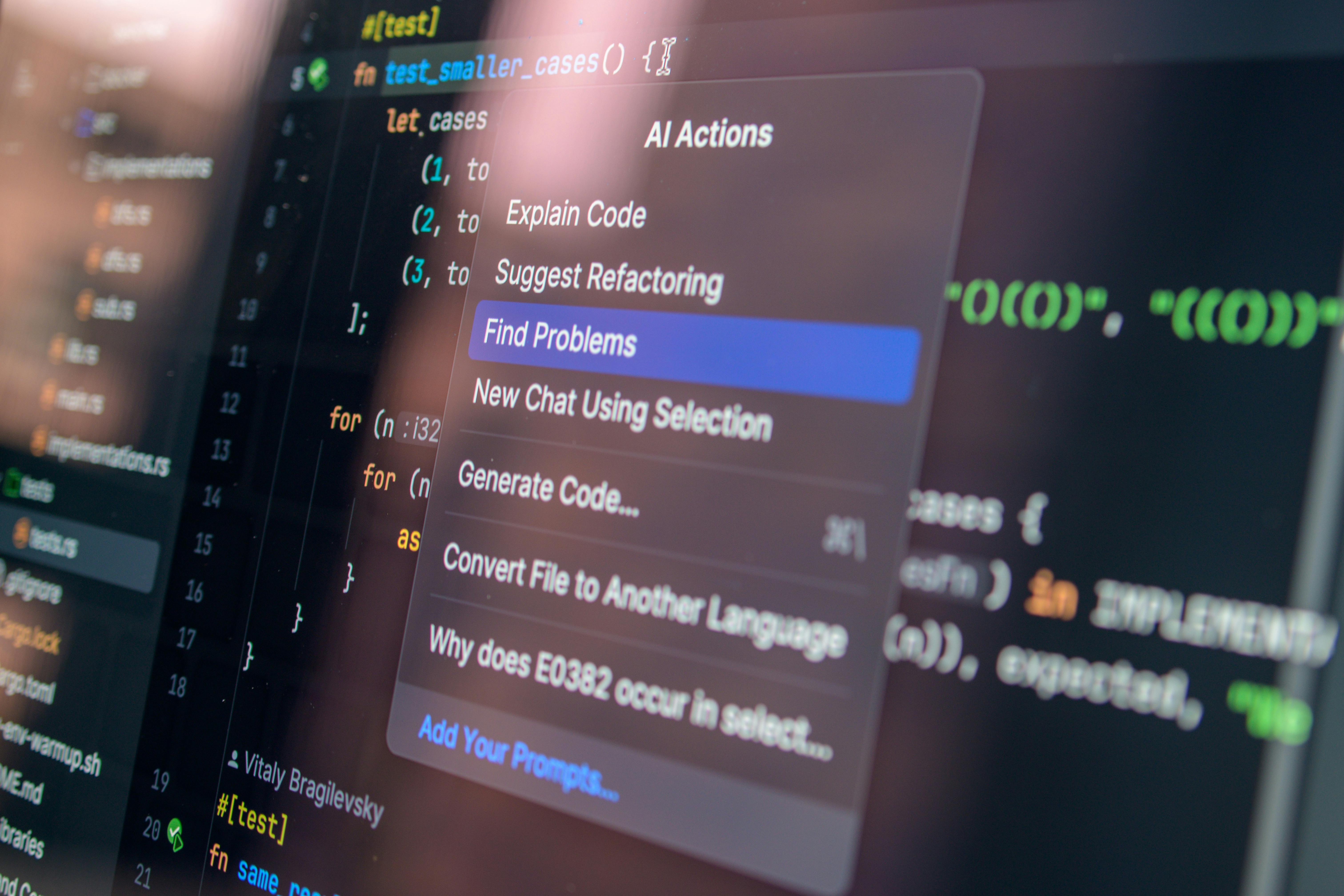
But here's the other side of that picture: the tools available to support your career development have never been better. AI isn't just changing what employers want — it's also changing what you have access to as someone trying to build toward those opportunities.
AI-powered learning platforms can assess where you are, identify gaps between your current skills and the roles you're targeting, and recommend specific paths forward. Resume builders and ATS analyzers can help you present your skills in ways that actually get through automated screening systems and land in front of human decision-makers. Portfolio tools can help you build a professional online presence without needing advanced technical skills. Career coaching tools can help you prepare for interviews, understand industry trends, and make more informed decisions about where to focus your energy.
Platforms like Skillinnovex are part of this ecosystem — combining AI resume building, ATS optimization, and portfolio creation in one place specifically designed for job seekers navigating this landscape. The goal is to reduce the friction between having real skills and being able to demonstrate them effectively to the people making hiring decisions.
Networking and personal branding matter more in this environment too. When hiring is competitive and talent pools are global, the relationships you build and the professional reputation you develop over time create context that a resume alone can't provide. Staying connected to your field — through communities, events, open-source contributions, content creation, or simply genuine professional relationships — puts you in a position where opportunities come to you rather than only the other way around.
The future of careers in this era isn't about competing against AI or trying to find work that sits entirely outside its reach. It's about positioning yourself as someone who works intelligently alongside these tools — who uses AI to multiply your own capabilities rather than being diminished by it. That positioning is available to anyone willing to invest in building it.
Conclusion
The story of AI and careers isn't really a story about technology. It's a story about people — how they adapt, what they choose to learn, how they present themselves, and whether they engage with change proactively or wait until it forces their hand.
What's clear looking at the job market in 2026 is that the professionals who are thriving aren't necessarily the most credentialed or the most experienced. They're the most adaptable. They pay attention to where demand is moving. They develop skills with intention rather than inertia. They use the tools available to them intelligently. They treat their career development as an active, ongoing project rather than something that happens to them.
AI is genuinely creating more opportunity than it's eliminating, though not always for the same people in the same places. The opportunities are going to those who are willing to move toward them — who are learning the skills that are in demand, building portfolios that demonstrate real capability, and presenting themselves through channels and in formats that match how hiring actually works today.
Platforms and tools that make this process more accessible — that help you build a strong resume, optimize it for the systems evaluating it, and present your work professionally — are worth taking seriously. Not as shortcuts, but as smart use of what's available. Using good tools effectively is itself a professional skill.
The question of whether AI will change your career is settled. It already is. The question that actually matters is the one only you can answer: are you treating that change as something happening to you, or as something you're navigating with intention?
The difference between those two postures, maintained consistently over time, tends to produce very different outcomes.